
Grief, Memory, and Art: Painting What We Miss

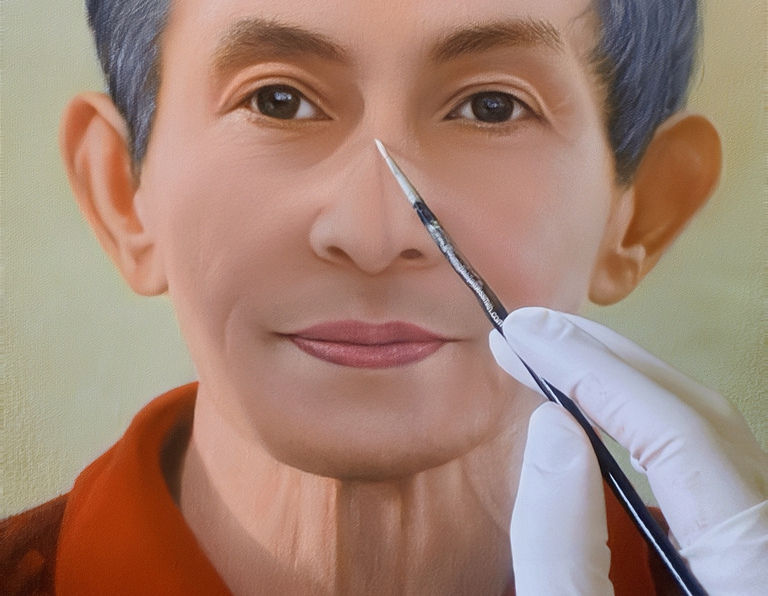
Grief is a strange companion.
It doesn’t always show up the way we expect. Sometimes it’s loud and raw. Other times, it’s quiet — lingering like a shadow at the edge of a normal day. I’ve learned that grief doesn’t go away. It simply changes shape. And for me, one of those shapes has always been art.
I never set out to become a painter of memory. But over time, I found myself drawn to it — to the faces that no longer smile in person, to the pets whose paws no longer echo down the hallway, to the landscapes that belong to a childhood long gone. My hands started painting what my heart missed. What others missed too. And I realized… this was more than portraiture. This was connection. This was love, transformed into form and color.
There’s a certain intimacy in painting someone who has passed away. The photograph becomes more than a reference — it becomes a relic. A moment frozen in time, held carefully in my hands. And yet, I never aim to copy it. I don’t want to just paint how someone looked. I want to paint how they felt. The warmth they gave. The stillness they left behind. The space they filled. The way someone loved them.
When clients share their stories with me — of a mother, a father, a partner, a beloved dog or cat — I listen not just with my ears, but with my whole self. Their grief becomes my guide. And through that connection, I begin to understand what the portrait needs to hold. Sometimes it’s dignity. Sometimes joy. Sometimes it’s simply the ache of missing someone so deeply that words fall short.
That’s the power of painting.
It speaks when language can’t.
For me, grief and art are forever intertwined. I carry my own losses into every canvas. The pets I’ve loved and held in their final moments. The family I’ve long been distant from. The ache of trying to heal a version of myself I once thought was broken beyond repair. All of those emotions sit in the background as I work. Layer by layer, I let them speak — not to reopen wounds, but to honor them. To say, “You existed. You mattered. You still do.”
Some paintings take 40 - 70 hours to complete. But time doesn’t measure the value. What matters is the soul behind the eyes, the softness of the light, the love in the expression. It’s not about realism alone — it’s about recognition. The kind that makes someone say, “That’s them. I feel them here.”
When I hand over a painting and see tears in someone’s eyes, I don’t take it lightly. I know what it means to miss someone so much your chest physically hurts. I know the silence that grief leaves behind. And if my work can soften that silence — even a little — then I’ve done something that matters.
Art won’t fix grief.
But it can cradle it.
It can hold memory in a way that words can’t.
If you’ve lost someone — a loved one, a furry companion, a place that once felt like home — and want to honor them in a lasting way, I’d be honored to help you carry that memory forward. My portraits aren’t just made with paint. They’re made with emotion. With stillness. With everything we wish we could say — and everything we still feel.
Because in the end, what we miss deserves to be remembered.
And sometimes, that remembering becomes a work of art.
—
With love,
Selina Dinh


Comments